
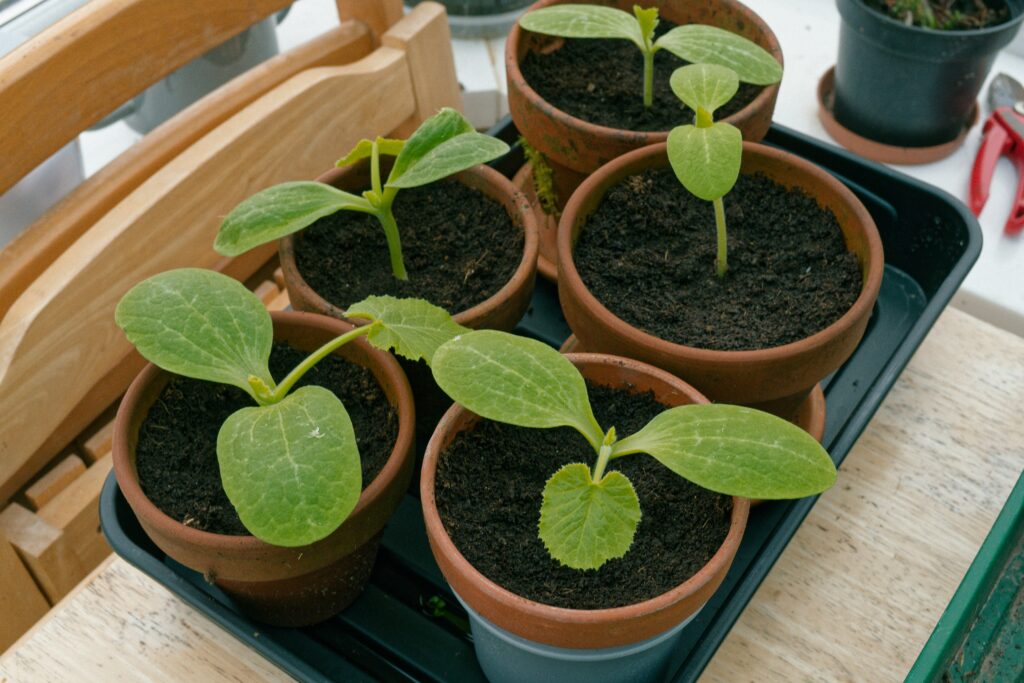
Zucchini is one of those plants that almost seems to want to succeed. Give it a half-decent start, and it’ll take the wheel from there — often producing more than you bargained for.
There’s a running joke in gardening circles that zucchini grows so fast and so abundantly, you’ll be leaving bags of it on neighbors’ doorsteps by August. The joke is true. But here’s the thing — even a “can’t-fail” vegetable benefits from a strong start. Get your seedlings right, and the rest of the season basically takes care of itself.
This guide is for anyone who wants to start zucchini from seed, whether you’re completely new to gardening or you’ve had a few failed attempts and want to understand what actually went wrong. Let’s get into it.
Timing Is Everything (Seriously)
Zucchini is famously frost-sensitive. Unlike tomatoes or peppers, which you start 8 to 10 weeks before your last frost, zucchini grows so fast that you only need to start seeds 2 to 4 weeks before you plan to transplant outdoors. Push that window too early and you’ll end up with a massive, root-bound plant desperate to escape its pot — and nowhere to put it yet.
Find your average last frost date for your area (a quick search with your city name will do it), then count back 2–3 weeks. That’s your seed-starting date. If your last frost is, say, mid-May, you’re starting seeds in late April — and you can often just direct-sow into the ground right around then if temperatures are cooperating.
Gardener’s Tip: Zucchini is one of the few vegetables where direct sowing outdoors after your last frost is just as effective as starting indoors. If you’re unsure, you can actually do both — start a few seeds inside and sow a few directly — and see which performs better in your specific conditions.
Your Seed-Starting Setup
Zucchini has a delicate root system that doesn’t love being disturbed. Because of this, container choice matters more than it does for, say, lettuce.
Choose the Right Container
Skip the tiny cell trays. Zucchini grows fast and its roots need room. Use 3- to 4-inch biodegradable pots — the kind you can plant directly into the ground without disturbing the roots at all. Peat pots and coir pots work beautifully here. One seed per pot. That’s it. No crowding.
Use the Right Soil
Grab a good quality seed-starting mix, not regular garden soil or potting mix. Seed-starting mix is lighter, drains better, and won’t compact around tender young roots. Fill your pot to about half an inch from the top, and moisten the soil before planting — not soaking wet, just evenly damp throughout.
Common Mistake: Don’t use last year’s potting mix from a bag that’s been sitting open in the shed. Old mix can harbor fungal pathogens and loses its structure. Fresh seed-starting mix is inexpensive and genuinely makes a difference.
Planting the Seeds
This part is satisfyingly simple. Zucchini seeds are big enough to handle individually, which makes planting precise and easy.
Make a small hole about 1 inch deep — use a pencil, your finger, or a chopstick. One hole per pot, right in the center.
Place one seed on its side or edge — seeds planted on their side or with the pointed tip facing down tend to germinate more reliably, with less chance of rotting.
Cover and gently firm the soil — cover with about an inch of mix and press lightly. You want good contact between seed and soil without compressing the mix.
Water carefully from below — set your pots in a tray and add water to the tray. Let the soil absorb moisture from the bottom up — this avoids disturbing the seed and reduces the risk of damping off.
Cover loosely with plastic or a humidity dome — this keeps moisture in while seeds germinate. Remove the cover as soon as you see the first sprout poking through.
Warmth: The Secret to Fast Germination
Zucchini seeds will not germinate well in cool soil. They need 70°F minimum, and they actively prefer 75–85°F. If your house is on the cooler side, this is where a heat mat pays for itself. A mat under your seed trays will dramatically speed things up — you’ll often see sprouts in as little as 3 days under ideal warmth, versus 7 to 10 days without.
No heat mat? No problem — on top of your refrigerator, near a water heater, or on a high shelf where warm air naturally accumulates all work as warm spots. Just check the soil moisture daily because warmth also speeds up evaporation.
Gardener’s Tip: Once seeds sprout, the heat mat is no longer needed. Move seedlings to your brightest light source immediately — they go from “just germinated” to leggy and desperate for light shockingly quickly.
Light: Don’t Skimp Here
Zucchini seedlings are hungry for light from the moment they emerge. A south-facing windowsill is the bare minimum, and on cloudy or short winter days, it may not be enough. If you’re starting seeds in late winter, a grow light set to run 14 to 16 hours per day will give you noticeably stockier, healthier plants compared to window-grown seedlings.
What does light deprivation look like? You’ll notice the stem getting long and pale, and the plant essentially reaching upward in desperation. This is called etiolation, and once it happens, you can’t fully reverse it. Keep lights close — 2 to 4 inches above the seedlings — and raise them as the plant grows.
Signs Your Seedlings Are Getting Enough Light
Short, thick stems. Deep green leaves. A plant that looks compact and sturdy, not stretched and pale. Those are the signals you’re doing it right.
Watering Without Overdoing It
More seedlings die from overwatering than from underwatering — and zucchini is no exception. The goal is consistently moist, never soggy. Stick your finger about an inch into the soil: if it feels damp, leave it alone. If it feels dry, it’s time to water.
Bottom watering (setting pots in a tray of water and letting the soil absorb what it needs) is ideal at this stage. It encourages roots to grow downward in search of moisture, which builds a stronger root system. Just don’t leave pots sitting in standing water for more than 30 minutes.
Watch Out For Damping Off: Damping off is a fungal issue where seedlings suddenly collapse at the stem, seemingly overnight. It’s caused by overly wet, poorly ventilated conditions. Running a small fan nearby for air circulation and avoiding overwatering are your best preventive measures.
Hardening Off: Don’t Skip This Step
You’ve grown your seedlings in a cozy, controlled environment. The outdoors is a different world — more intense sun, wind, temperature swings. Shock a zucchini seedling by planting it directly outside without preparation, and it’ll sulk for a week or two while it adjusts (if it survives at all).
Hardening off is just the process of gradually introducing your seedlings to outdoor conditions over 7 to 10 days:
Days 1–3: An hour or two in a sheltered spot — bring plants outside in the morning, in a spot with indirect light and some protection from wind. Then bring them back in.
Days 4–6: Increase outdoor time and light exposure — extend to 4 to 6 hours, including some direct morning sun. Watch for wilting — if it happens, that’s your signal to shade them or bring them in earlier.
Days 7–10: Full days outside — leave them out all day, including full sun exposure, but still bring in overnight if temperatures dip below 50°F.
Plant out after your last frost — once nights are reliably above 50°F and they’ve hardened off, they’re ready. Plant in rich, well-draining soil with full sun — at least 6 hours a day.
Quick Troubleshooting
Seeds haven’t sprouted after 10+ days: The soil is probably too cold. Check your germination temperature and add a heat mat if you haven’t already. Also verify your seeds aren’t too old — zucchini seeds older than 4 or 5 years lose viability fast.
Seedlings are tall and floppy: Not enough light. Move them closer to your light source or upgrade to a grow light. You can bury the stem a bit deeper when transplanting to compensate for minor legginess.
Yellow leaves: This usually means overwatering, poor drainage, or the seedling has outgrown its pot and needs nutrients. If the pot-bound seedling can’t be transplanted yet, a diluted liquid fertilizer can help tide it over.
Seedling suddenly collapses: Damping off. Caused by fungal issues from overly moist, still air. Improve air circulation, ease up on watering, and make sure your pots have good drainage.
Start small — two or three plants is genuinely enough for most households. Zucchini is prolific, and one healthy, well-started plant will keep you in squash all summer long.
That’s really all there is to it. Zucchini doesn’t ask for much at the seedling stage: warmth to germinate, light to grow sturdy, careful watering, and a gentle introduction to the outdoors. Nail those basics, and you’ll be the gardener handing bags of zucchini to slightly reluctant neighbors before you know it.