
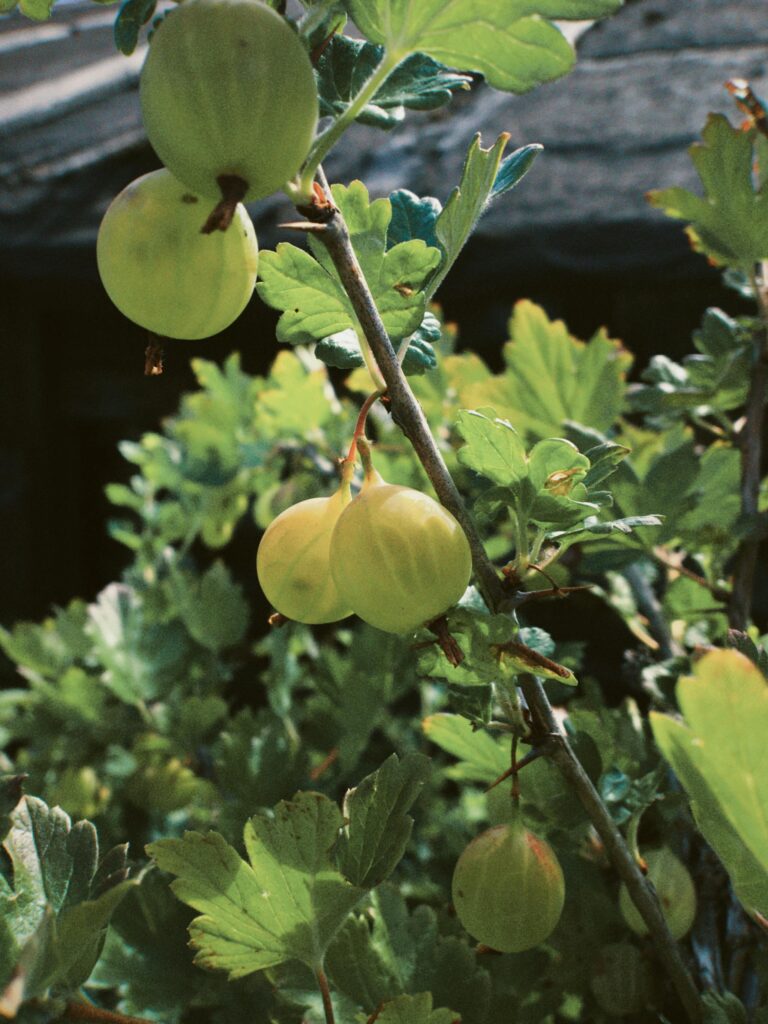
Gooseberries don’t get nearly enough attention.
While everyone rushes to grow strawberries, raspberries, and blueberries, gooseberries quietly sit in the background producing baskets of tart-sweet fruit with surprisingly little effort. They’re hardy, productive, and honestly, a bit underrated.
If you’ve never grown gooseberries before, they can seem intimidating—thorny branches, pruning advice, mysterious berry problems. But the truth is, once established, gooseberries are one of the easier fruit bushes to grow.
And when you finally taste fresh gooseberries straight from the garden? You’ll probably wonder why more people aren’t growing them.
Here’s how to grow the perfect gooseberries without making gardening feel complicated.
Why Grow Gooseberries?
First, let’s talk about why gooseberries deserve a spot in your garden.
They’re:
- Cold-hardy (great for Canadian climates)
- Productive year after year
- Relatively low maintenance
- Excellent for jams, pies, desserts, and fresh eating
- Compact enough for smaller gardens
Once planted, a healthy gooseberry bush can produce fruit for years with very little fuss.
Which is exactly the kind of gardening most people secretly want.
Choosing the Right Spot
Gooseberries are pretty flexible, but location matters more than people realize.
They grow best in:
- Full sun to partial shade
- Well-draining soil
- Sheltered areas with decent airflow
If you live somewhere with very hot summers, a little afternoon shade can actually help protect the fruit.
Too much blazing sun can stress the plant and reduce berry quality.
Think “bright but not baking.”
Start with Healthy Plants
Growing perfect gooseberries starts with choosing healthy bushes.
When shopping, look for:
- Strong stems
- Healthy roots
- No obvious signs of disease
- Varieties suited to your climate
Some varieties lean sweeter while others are more tart and ideal for baking.
If you’re planting more than one bush, give them space. Gooseberries like airflow, and crowded plants tend to invite problems.
A good rule of thumb is about 3–5 feet apart.
Soil Matters More Than You Think
Gooseberries aren’t overly demanding, but they do appreciate good soil.
They prefer:
- Rich, fertile soil
- Slightly acidic to neutral pH
- Good drainage
Heavy clay soil can become an issue because gooseberries dislike “wet feet.”
Before planting, mixing in compost is one of the easiest ways to give your bush a strong start.
Healthy soil almost always means healthier fruit.
Watering: Consistency Is Key
Here’s where many gardeners accidentally struggle.
Gooseberries don’t love extremes.
Too dry? Fruit quality suffers.
Too wet? Root issues begin.
Aim for consistent moisture, especially during fruit development.
A layer of mulch around the base helps:
- Retain moisture
- Reduce weeds
- Keep soil temperatures steady
Just avoid piling mulch directly against the stems.
Plants like breathing room too.
Feed Them—But Don’t Overdo It
It’s tempting to throw fertilizer at fruit plants and hope for giant harvests.
But gooseberries don’t need excessive feeding.
Too much fertilizer, especially nitrogen, often leads to lots of leafy growth and fewer berries.
A balanced fertilizer or compost in early spring is usually enough.
Sometimes less really is more.
Pruning Makes a Huge Difference
This is the step people tend to avoid.
Mostly because pruning sounds complicated.
It isn’t.
Gooseberries grow best when air can move through the center of the bush. Each winter or early spring:
- Remove dead wood
- Cut out crowded branches
- Open up the center
Think of it like giving the plant breathing space.
Plus, fewer tangled branches means fewer scratches during harvest season—which matters because gooseberry thorns are not particularly forgiving.
Protecting Your Fruit from Birds
Bad news: birds also know gooseberries are delicious.
If your bush suddenly looks suspiciously empty, you’re probably sharing your harvest.
Netting can help protect berries as they ripen.
Because nothing feels worse than waiting all season only to realize the birds got there first.
Know When to Harvest
Patience matters here.
Gooseberries often ripen in early to mid-summer depending on the variety and climate.
You can harvest them:
- Early (slightly tart) for pies and jams
- Fully ripe (sweeter) for fresh eating
Ripe berries become softer, fuller in color, and easier to pick.
And yes, eating a few straight from the bush is basically required.
Garden rules.
Common Gooseberry Mistakes to Avoid
Overcrowding Plants
Poor airflow can lead to disease problems.
Ignoring Pruning
Messy bushes produce weaker fruit.
Overwatering
Soggy soil causes more problems than people think.
Planting in Deep Shade
Too little sunlight often means fewer berries.
Forgetting About Thorns
Wear gloves if you value your hands.
Seriously.
Growing the perfect gooseberries isn’t about having a perfect garden. It’s about consistency, patience, and setting the plant up for success.
Give them decent soil, enough sunlight, regular watering, and a yearly prune, and they’ll reward you with baskets of fruit for years to come.
They may not be the flashiest berry in the garden, but gooseberries have a way of winning people over.
Especially once you taste one fresh off the bush on a warm summer morning.
And if you end up with more gooseberries than expected? That sounds like a good excuse for homemade pie.