
Clay soil gets blamed for a lot of garden failures—but the truth is, clay soil isn’t bad soil. It’s just misunderstood.
If you’ve ever tried growing carrots that forked into strange shapes or tomatoes that never quite took off, your soil probably isn’t broken. You just planted the wrong crops.
Clay soil holds nutrients extremely well and retains moisture longer than sandy soil. When you grow the right vegetables, it can be one of the most productive soils you’ll ever garden in.
Below are vegetables that actually thrive in clay soil, not just tolerate it.
Why Clay Soil Can Be Great for Vegetables
Before getting into specific crops, it helps to understand why some plants love clay soil.
Clay soil:
- Holds moisture during dry periods
- Retains nutrients better than light soils
- Provides strong support for large plants
The downside—slow drainage—only matters for vegetables that need loose, fast-draining soil. Many don’t.
Best Vegetables for Clay Soil
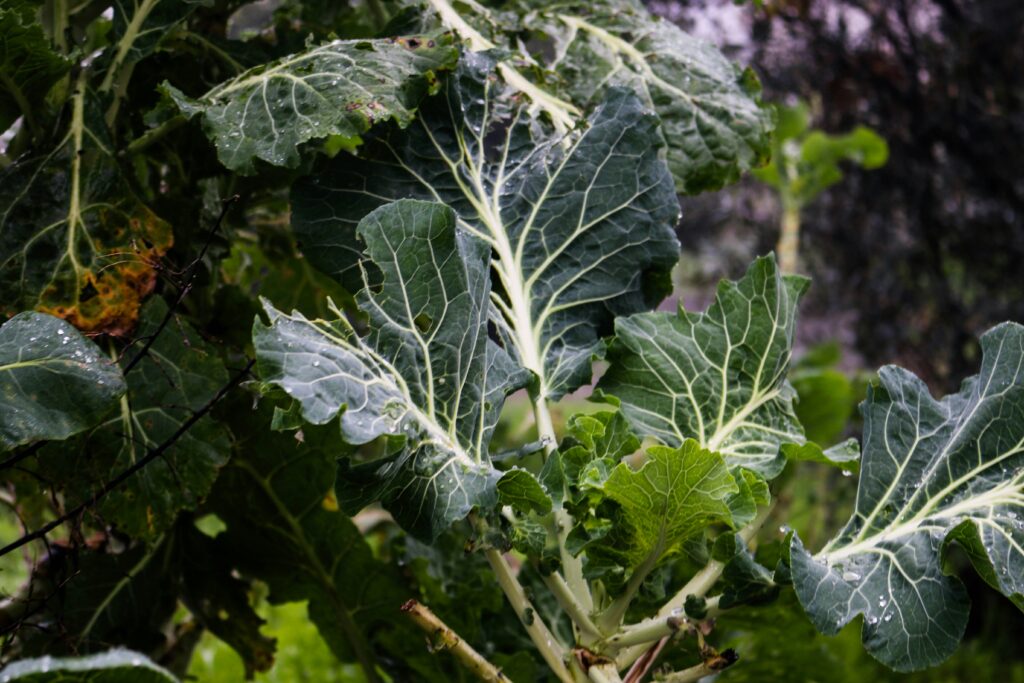
1. Cabbage, Broccoli & Other Brassicas
Brassicas are some of the best vegetables for clay soil.
This group includes:
- Cabbage
- Broccoli
- Cauliflower
- Kale
- Brussels sprouts
They prefer rich, moisture-retentive soil and have strong root systems that handle dense ground well.
SEO tip: Search intent is often “what vegetables grow well in clay soil” — brassicas should always be near the top of that list.
2. Swiss Chard
Swiss chard thrives where other vegetables struggle.
Why it works in clay soil:
- Shallow but resilient roots
- Tolerates uneven watering
- Grows well in nutrient-dense soil
It’s also a “cut-and-come-again” crop, meaning one planting produces for months.
3. Bush Beans
Bush beans grow surprisingly well in clay soil, especially once the soil warms up.
Benefits:
- Improve soil by fixing nitrogen
- Don’t require deep root penetration
- Mature quickly before soil compacts in summer
Avoid planting too early when clay soil is cold and wet.
4. Peas (Especially Spring Peas)
Peas prefer cool, moist soil—exactly what clay offers in early spring.
They:
- Have shallow root systems
- Grow quickly
- Benefit from moisture retention
Adding a trellis improves airflow and reduces disease risk.
5. Leafy Greens (Lettuce, Spinach & Asian Greens)
Leafy greens are ideal for clay soil vegetable gardens because they don’t require deep, loose soil.
Best options:
- Romaine lettuce
- Spinach
- Bok choy
- Mustard greens
Clay soil keeps roots cool and hydrated, which helps prevent bolting in spring.
6. Onions and Garlic
Garlic in particular grows very well in clay soil.
Why they succeed:
- Benefit from nutrient-dense soil
- Shallow root systems
- Long growing season allows roots to adapt
Pro tip: Fall-planted garlic performs better than spring garlic in heavy soil.
7. Zucchini and Summer Squash
Large, fast-growing plants like zucchini thrive in clay soil because they need:
- Consistent moisture
- Heavy feeding
- Strong root anchoring
Clay soil supplies all three—just give plants enough space.
Vegetables That Don’t Grow Well in Clay Soil
If you want to save time and frustration, avoid these unless using raised beds:
- Carrots
- Parsnips
- Radishes
- Turnips
Root vegetables need loose soil to grow straight and full-sized.
How to Improve Clay Soil for Vegetable Gardening (Without Tilling)
You don’t need to “fix” clay soil overnight.
Simple improvements:
- Add compost on top each year
- Mulch to reduce cracking and compaction
- Avoid working soil when wet
- Let plant roots naturally improve soil structure
Over time, clay becomes easier to work—not harder.
Clay Soil Is an Advantage, Not a Problem
If you’re gardening in clay soil, success isn’t about fighting it—it’s about choosing vegetables that thrive in it.
Once you plant crops that work with heavy soil instead of against it, yields improve, maintenance drops, and gardening becomes a lot more enjoyable.
Clay soil doesn’t limit your garden. It just asks you to garden smarter.