
Let’s be honest: replanting the whole garden every spring is a lot. Perennial veggies are the lazy gardener’s secret weapon. Plant them once, give them a little love, and they come back year after year. Here are my top ten, each with a fun fact.
1. Asparagus
The classic. Be patient, because you wait about two years before harvesting, but a good bed keeps producing for 15 to 20 years. Worth every second.
Fun fact: Asparagus spears can grow up to 10 inches in a single day when the weather is warm.
2. Rhubarb
Tough as nails and happy in cold climates. Eat the stalks (never the leaves, they’re toxic) in pies, crisps, and jam.
Fun fact: Rhubarb is technically a vegetable, but a New York court ruled it a fruit in 1947 to lower import tariffs.
3. Jerusalem artichokes (sunchokes)
Sunflower relatives with nutty, crunchy tubers. They grow like crazy, so give them their own corner or they’ll take over your yard.
Fun fact: They have nothing to do with Jerusalem. The name is likely a mangled version of the Italian word for sunflower, “girasole.”
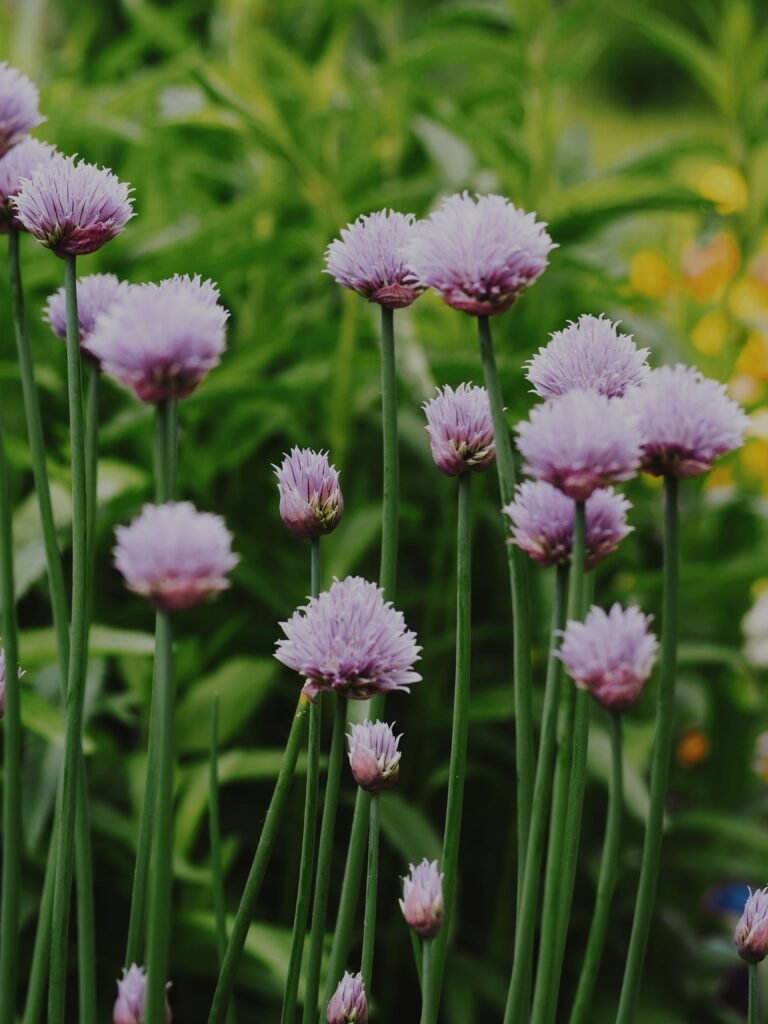
4. Garlic chives
Garlicky, flat-leaved, and basically unkillable. The flowers are edible too, and the bees love them.
Fun fact: They’ve been grown in China for thousands of years and are a staple in dumpling fillings.
5. Horseradish
Plant it and forget it, honestly. Grate the roots for that sinus-clearing kick, but keep it contained because it spreads.
Fun fact: The heat comes from a compound released only when the root is cut or grated, which is why fresh horseradish fades fast once prepared.
6. Egyptian walking onions
These grow tiny bulbs on top of the stalks that flop over and “walk” to a new spot. Fun to watch, and you get green onions nearly all year.
Fun fact: A single plant can “walk” a few feet every year, so a patch can slowly creep across your garden.
7. Sorrel
Lemony, tangy leaves that make salads and soups pop. It’s one of the first greens up in spring.
Fun fact: That sour zing comes from oxalic acid, the same stuff that gives rhubarb leaves their tang (and their toxicity, in larger amounts).
8. Globe artichokes
A little fussier in cold areas (mulch heavily or treat as tender), but the payoff is huge, with edible buds and gorgeous purple flowers if you let a few bloom.
Fun fact: The part you eat is actually an unopened flower bud. Left alone, it blooms into a giant purple thistle-like flower.
9. Perennial kale (Daubenton’s)
Kale that doesn’t need replanting. It’s propagated by cuttings and gives you tender leaves for years.
Fun fact: It almost never sets seed, so every plant out there is basically a clone passed along from gardener to gardener.
10. Good King Henry
An old-school spinach stand-in with tasty leaves and shoots. It’s tough, shade-tolerant, and totally underrated.
Fun fact: It’s been eaten in Europe since the Middle Ages, and the “Good” in the name was added to tell it apart from a poisonous plant called Bad Henry.
Bonus tip: Fall is a great time to get many of these in the ground. A thick layer of mulch before winter will tuck them in nicely, especially in colder zones.
Happy planting! Which one are you trying first?