
Another season’s done, the frost has hit, and your garden looks innocent. Don’t be fooled. Those weeds are already dropping seeds and tucking roots in for winter. Here’s who you’re up against and how to deal with them.
1. Quackgrass
The tough guy. Its sharp-tipped white rhizomes slice right through root veggies, and every little piece you leave behind regrows. Fix: Dig it out with a garden fork (not a tiller, which just chops it up and spreads it). Sift out every white root piece. In fall, smothering a bed with cardboard and thick mulch works wonders.
2. Canada Thistle
Prickly, stubborn, and not actually from Canada (ironic, eh?). It spreads by deep roots and seed. Fix: Cut it back repeatedly so it can’t photosynthesize. Do it every time it reaches a few inches, and it’ll eventually starve. Wear good gloves.
3. Field Bindweed
It twines around your beans and tomatoes like it pays rent. Roots can go several feet deep, and the seeds last for years. Fix: Persistence. Pull or cut it every week, smother problem areas with thick mulch or tarps, and never let it flower.
4. Dandelion
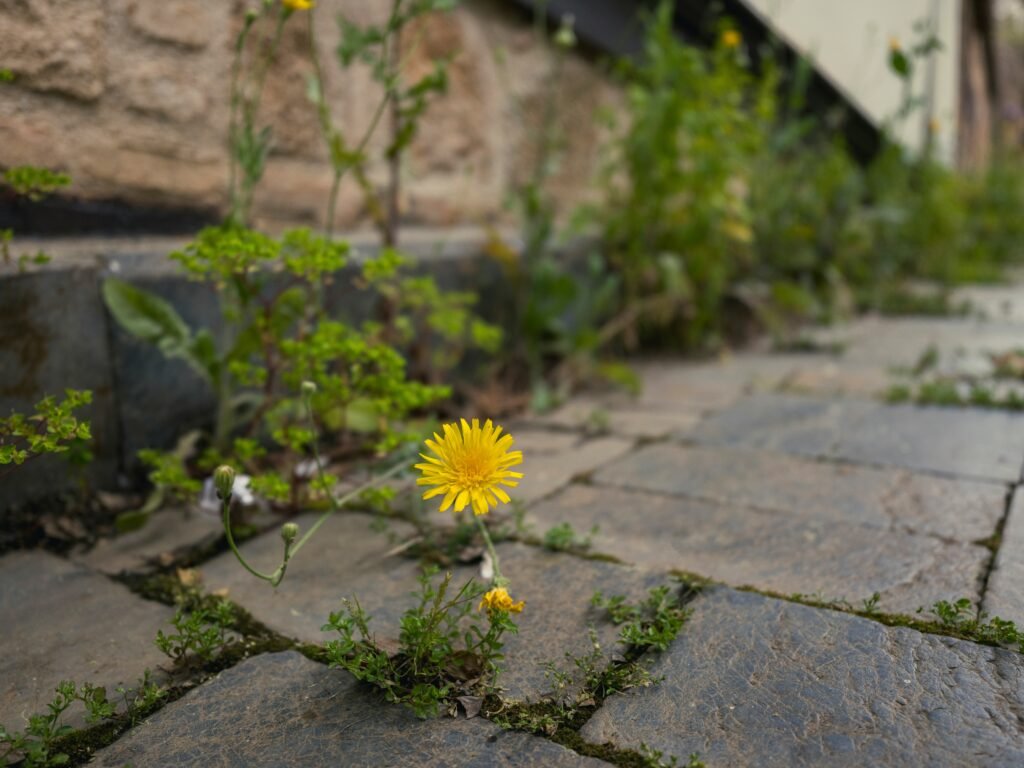
Yes, the classic. That taproot snaps off and grows back. Fix: Water the soil first, then use a dandelion weeder to pull the whole root. Deadhead flowers before they turn into puffballs. Bonus: young leaves make a decent salad.
5. Lamb’s Quarters
Fast-growing and sneaky, and it can shade out young veggies. Fix: Hoe or pull when small. It’s shallow-rooted and easy to yank. It’s also edible, like spinach.
6. Redroot Pigweed
One plant makes a mind-boggling amount of seed. Fix: Pull it before it sets seed. Mulch is your best friend here, because pigweed seeds need light to germinate.
7. Purslane
A succulent weed that loves hot July days. Pulled plants can re-root if left on moist soil. Fix: Pull it and toss it in the compost-free bin, or dry it on a hot surface. Mulch to stop new seedlings.
8. Crabgrass
It sprawls out from the middle like an octopus and roots wherever stems touch the ground. Fix: Pull while it’s young, and keep the soil covered. Crowd it out with dense planting and mulch.
9. Chickweed
A cool-season weed that pops up in early spring and fall, forming a green mat. Fix: Shallow hoeing or hand pulling does the job. Remove it before it flowers, since it can seed several times a year.
10. Creeping Charlie (Ground Ivy)
Loves shady, damp spots and spreads by creeping stems that root at every node. Fix: Rake up the runners and pull it by hand. Improve drainage and sunlight, because it hates dry sun.
General Ontario Tips
Mulch, mulch, mulch. Straw, shredded leaves, or untreated wood chips (3 to 4 inches) block most weed seeds.
Weed after rain. Roots slide out of damp soil much more easily.
Don’t let anything go to seed. One year’s seeding means seven years’ weeding.
Cover bare soil this fall. Leaves, cardboard, or a cover crop like fall rye will cut down spring weeds.
Herbicides: Ontario’s cosmetic pesticide ban restricts many weed killers on home gardens, so manual methods, mulch and smothering are your best (and legal) bet. Check Ontario’s pesticide rules before buying anything.
Happy weeding, and see you in spring!